Businesses, workers and government must share the AI responsibility, Singapore leaders say
Source: The Business Times
A roundtable hosted by The Business Times has laid bare the tensions at the heart of Singapore's AI adoption drive. Leaders from the Singapore Business Federation, DBS, Accenture, and the Skills and Workforce Development Agency agreed that while AI is a shared responsibility across business.
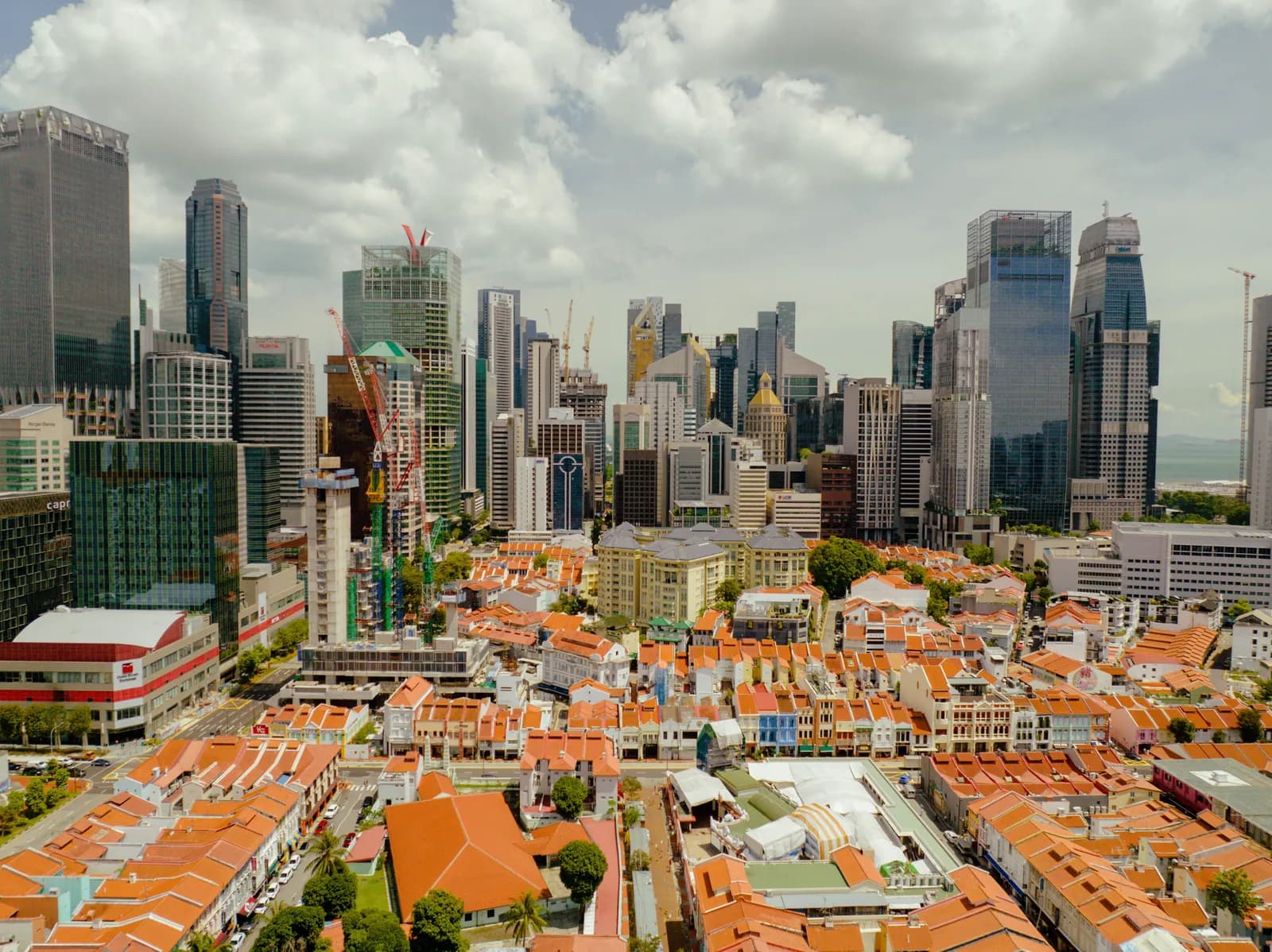
A roundtable hosted by The Business Times has laid bare the tensions at the heart of Singapore's AI adoption drive. Leaders from the Singapore Business Federation, DBS, Accenture, and the Skills and Workforce Development Agency agreed that while AI is a shared responsibility across business, government, and workers, the current trajectory risks leaving junior employees behind as companies prioritise efficiency gains over talent development.
The discussion centred on what SBF CEO Kok Ping Soon called "cognitive surrender" — the risk that workers stop developing critical thinking skills because AI produces answers that look correct. His concern: firms replacing junior developers with AI tools may gain short-term efficiency but lose the pipeline of experienced talent needed for long-term competitiveness. A Ministry of Trade and Industry study found that the first wave of AI beneficiaries are higher-skilled workers aged 35 to 44, precisely because they already have the experience to complement the technology effectively.
The roundtable also explored how job redesign must keep pace with AI deployment. DBS head of HR Lee Yan Hong and Accenture Singapore MD Mark Tham both emphasised that reskilling is not just a government obligation — employers need to redesign roles to ensure junior staff still acquire foundational experience through modified workflows rather than being bypassed entirely.
Why it matters for Singapore: This debate is central to whether Singapore's AI boom produces inclusive growth or a two-tier workforce. The government's SkillsFuture and Workforce Singapore programmes provide the infrastructure, but the BT roundtable made clear that without deliberate corporate action on job design, the benefits of AI will continue to concentrate among experienced professionals. For Singapore's knowledge economy, the "first rung" problem is not a future concern — it is happening now.