Singapore's Manufacturing Growth Forecast Raised to 9% as AI-Driven Electronics Demand Surges
Source: Singapore Business Review
Analysts have raised Singapore's 2026 manufacturing growth forecast to 9% as AI-driven electronics demand powers semiconductor output to 21.1% year-on-year growth, upgrading the GDP outlook to 4.5%.
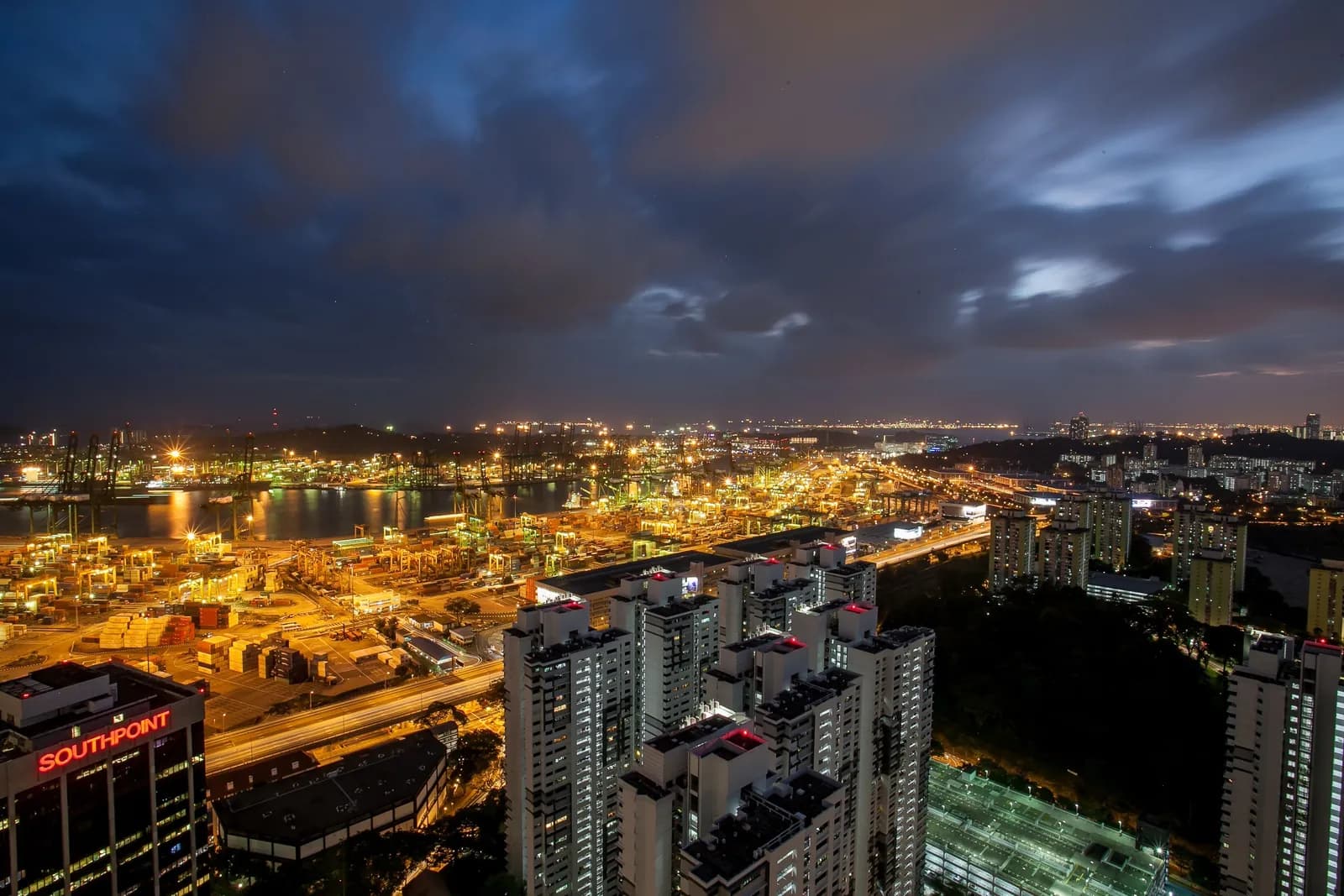
The numbers coming out of Singapore's factory floors this year tell a story that goes beyond simple economic recovery — they point to an economy being reshaped by the insatiable global appetite for AI infrastructure. With industrial production averaging 9.9% year-on-year growth in the first half of 2026, analysts have been forced to revise their full-year outlook upward, and the common thread running through every data point is clear: the AI boom is now the central engine of Singapore's manufacturing sector.
RHB has lifted Singapore's 2026 manufacturing growth forecast to 9% from an earlier estimate, citing stronger-than-expected electronics output and sustained demand for AI-related products. The revision prompted an upgrade of Singapore's full-year GDP growth forecast from 4.0% to 4.5%. CGS International held its 2026 industrial production forecast at 8%, noting that both the Manufacturing and Electronics Purchasing Managers' Indices stayed in expansionary territory in June at 51.3 and 52.2 respectively. The electronics cluster led the charge, expanding 21.3% year-on-year in June. Within that, semiconductor output rose 21.1%, infocomms and consumer electronics grew 32.1%, and computer peripherals and data storage climbed 4.3% on a month-on-month seasonally adjusted basis.
These figures sit within a broader regional story. Singapore's role as a node in the global semiconductor supply chain means it is directly benefiting from the capital expenditure cycle that hyperscalers and chipmakers are locked into as they race to build out AI compute capacity. The precision engineering cluster, which supplies equipment to semiconductor fabs, grew 14.9% year-on-year in June — further evidence that the AI investment wave is creating a wide manufacturing footprint beyond just chip fabrication.
The concentration risk is worth watching. CGS International noted that manufacturing growth is becoming increasingly concentrated in AI-related industries, while more cyclical segments like biomedical manufacturing and chemicals remain soft. RHB expects these volatile clusters to drag on overall industrial production in the second half of the year if weakness persists. Still, the research firm believes continued investment across the semiconductor ecosystem should help offset softer conditions elsewhere, keeping the overall manufacturing outlook constructive.
Why it matters for Singapore: A 9% manufacturing growth forecast backed by AI-driven electronics demand reinforces Singapore's position as a critical link in the global AI supply chain. For the broader economy, the GDP upgrade means stronger tax revenues, sustained job growth in precision engineering and electronics, and continued foreign investment into semiconductor-related facilities. The question over the coming quarters is whether the AI demand cycle has legs beyond the current capex super-cycle, or whether Singapore's manufacturing base has diversified enough to handle an eventual slowdown.