Policy
Page 9.

Singapore's Agentic AI Ambitions Hinge on Code Verification, Says Industry Expert
Singapore has positioned itself as a global leader in agentic AI governance by releasing one of the world's first dedicated frameworks for AI agents. But the real test, says industry experts, lies in whether the code those agents produce can be trusted — and a layered verification approach combining deterministic analysis with AI review may be the answer.
AI-Generated Jack Ma Videos Spreading Falsehoods About Singapore, CNA Investigation Finds
Singapore has become the target of a coordinated disinformation campaign powered by generative AI — using fake videos of Alibaba founder Jack Ma to spread falsehoods about the city-state on YouTube. A CNA investigation has uncovered at least 260 AI-generated videos across 32 channels, collectively amassing...

Singapore Unveils Three-Pronged Strategy Against AI-Enabled OT Cyberattacks on Critical Infrastructure
Singapore has outlined a three-priority strategy to defend critical infrastructure against AI-powered operational technology (OT) attacks, as Minister for Digital Development and Information Josephine Teo warned that artificial intelligence is enabling attackers without specialist industrial.
Singapore economy to stay firm for rest of 2026 as AI boom cushions oil shock...
On Monday, the Monetary Authority of Singapore released its quarterly macroeconomic review — and the headline numbers tell a story that would have seemed improbable a year ago. Singapore's economy grew 5.7 per cent year-on-year in the second quarter, powered overwhelmingly by the global AI boom, even as oil...

AI Is Rewriting the Rules of Cyber Defence, Says Singapore's Founding Cybersecurity Chief
When David Koh stepped down as founding chief executive of Singapore's Cyber Security Agency (CSA) in July after 42 years in public service, he left behind a cybersecurity landscape that looks almost nothing like the one he helped build. In his first exclusive interview since retiring, Koh warned...

India and Singapore Can Partner on Sustainable AI Data Centres, Says NUS Research Brief
The explosive growth of artificial intelligence is forcing a reckoning in data centre design — and a new research brief from the National University of Singapore's Institute of South Asian Studies argues that India and Singapore are uniquely positioned to cooperate on building sustainable digital.

CSA to update cybersecurity code of practice as AI-powered threats reshape Singapore's threat landscape
Singapore's Cyber Security Agency will release an updated Cybersecurity Code of Practice for critical information infrastructure later this year, alongside a new code for cloud services, to counter AI-enabled attacks. The updates require CII owners to strengthen board accountability, attain Cyber Trust Mark Level 5 certification, and deploy threat detection systems across network segments.

Shadow AI Outpaces Governance Controls in Singapore as Employee Adoption Surges Past Corporate Policies
Singapore companies are finding themselves in an uncomfortable position: their employees are adopting AI tools faster than anyone can govern them. New research from JFrog and Splunk paints a picture of an enterprise landscape where the gap between AI usage and AI oversight is widening, with 60 per cent of...
Singapore Finalises AI Training Data Guidelines, Launches Federated Learning Guide and PET Sandbox Expansions
Singapore's Personal Data Protection Commission has finalised its Advisory Guidelines on Personal Data in Generative AI, covering the full AI lifecycle from training data collection through model deployment. Alongside the guidelines, the PDPC released a new Federated Learning Guide enabling privacy-preserving collaborative AI training, while IMDA expanded its PET Sandbox with new health data and payment processing use cases.
Temasek Sees AI Breakthroughs Slashing Energy Demands as Data Centre Power Needs Surge
Temasek believes AI's energy equation could shift dramatically as more efficient architectures, better chipmaking, and materials discovery breakthroughs arrive. Speaking at the Bloomberg Sustainable Business Summit, Temasek's Russell Tham called current AI architecture 'fundamentally ineffective' while data centre energy demands continue to rise.
Risks of Autonomous AI Agents Not Yet Fully Understood, Josephine Teo Warns
Minister Josephine Teo warns the risks of autonomous AI agents are not yet fully understood, as Singapore's governance framework for agentic AI enters its sixth month and enterprises grapple with accountability questions.
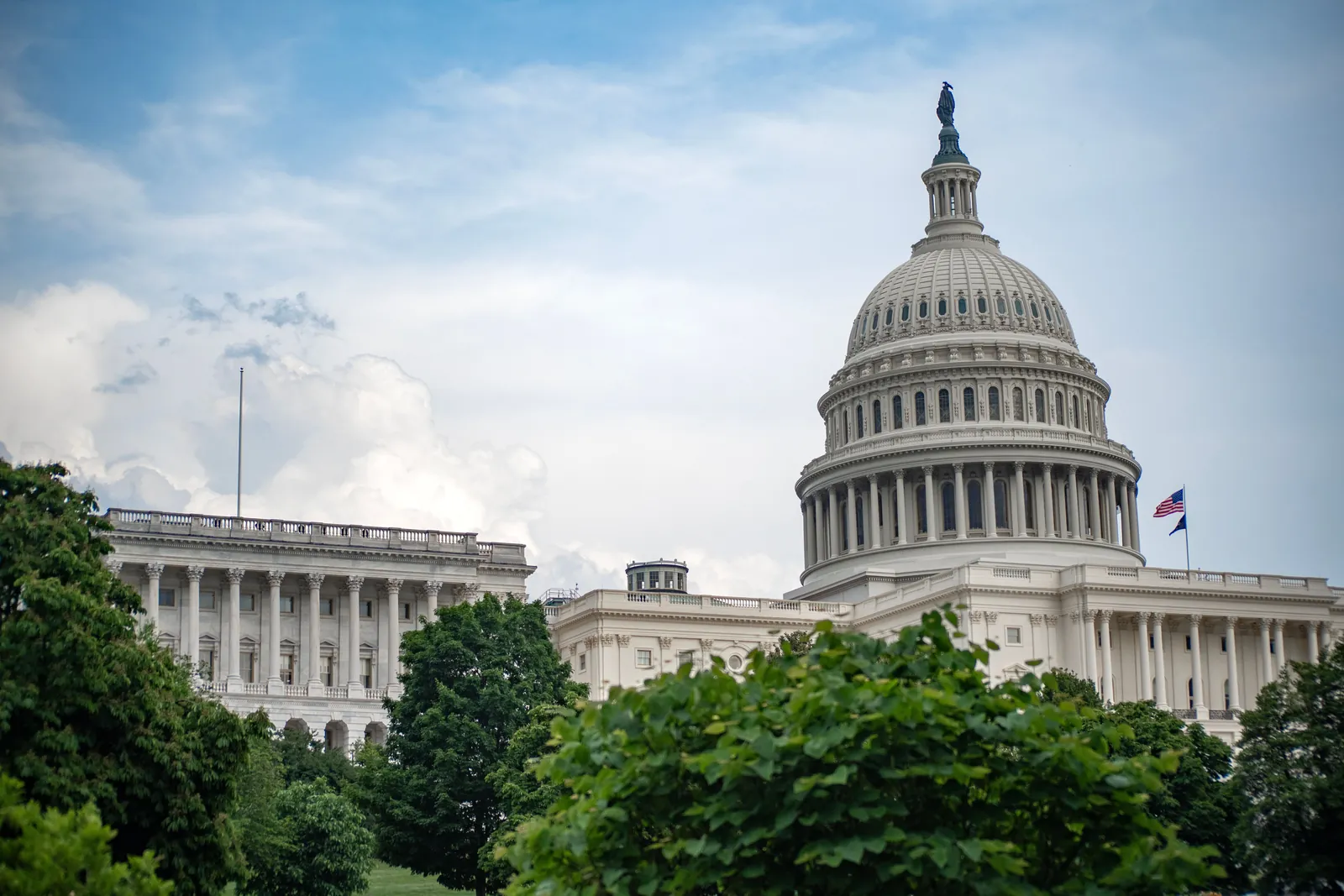
Singapore Overhauls Critical Infrastructure Cybersecurity Rules to Counter AI-Enabled Threats
Josephine Teo, Singapore's Minister for Digital Development and Information and Minister-in-Charge of Cyber Security, used the stage at the sixth Operational Technology Cybersecurity Expert Panel Forum on Wednesday to lay out the most significant update to Singapore's critical infrastructure...