How Schneider Electric Is Rewriting the Rules for Older Workers in the Age of AI
Source: NTUC UPortal
Schneider Electric's Singapore office has seen the share of workers aged 51 and older grow to one in five. Instead of seeing this as a problem, the company built Experience Forward, a programme that sorts older staff into four pathways — from pushing ahead to mentoring to winding down — and pairs their experience with AI tools.
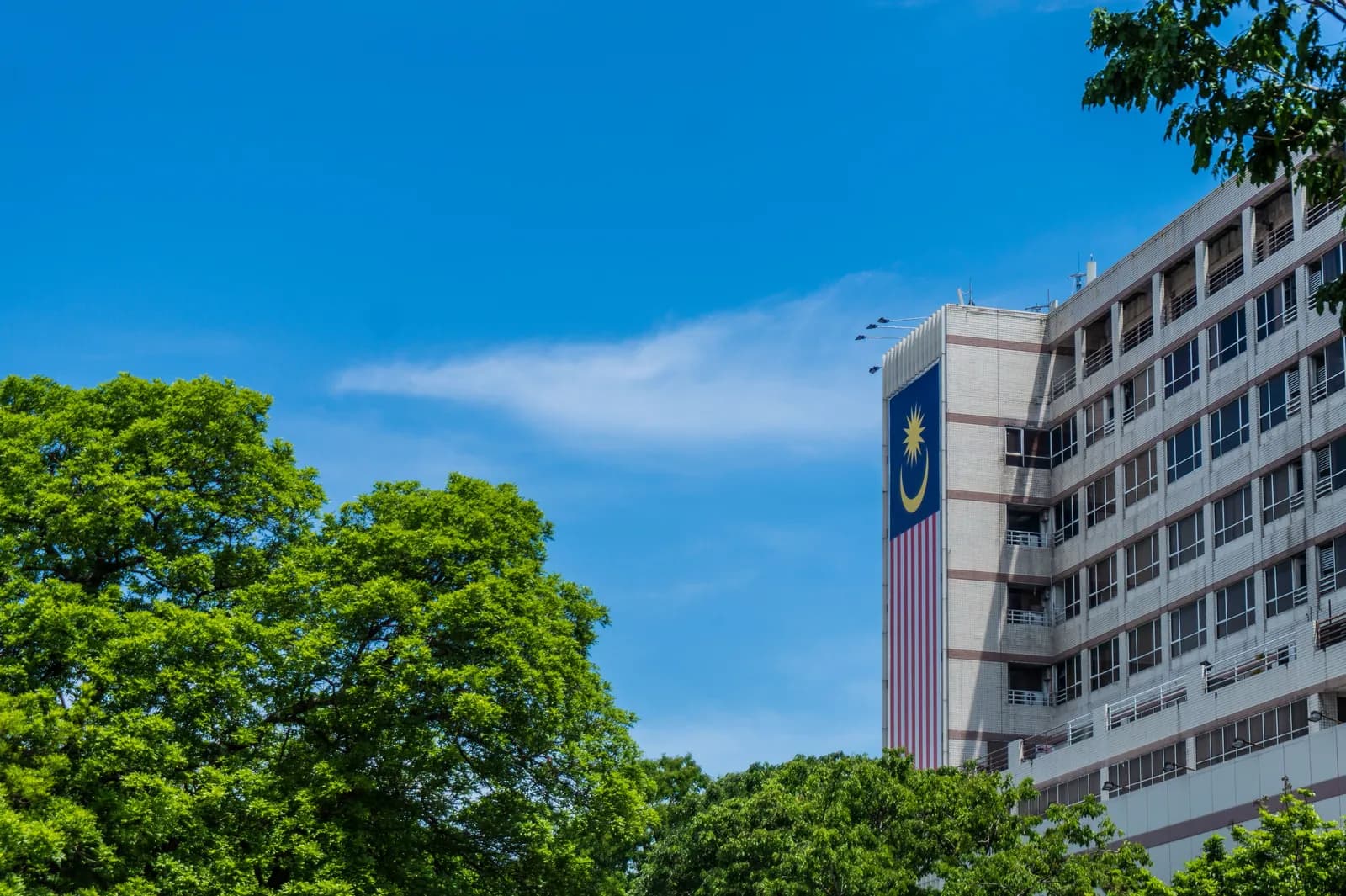
Singapore is getting older, and its workforce is greying along with it. That much is well documented. But what happens when a rapidly ageing workforce meets a technology that is rewriting the rules of work itself? For most companies, the answer is uncertainty. For Schneider Electric, it is a deliberate strategy — and one that holds lessons for an entire economy grappling with the twin forces of demographic change and AI-driven transformation.
Schneider Electric's Singapore office, home to over 1,300 staff, has seen the share of workers aged 51 and older grow by more than 4 percentage points since 2022. That age bracket now makes up a fifth of its local headcount — the only demographic segment still expanding. Rather than treat this as a headwind, the company has built a programme called Experience Forward that meets older workers where they are. The programme sorts staff into four pathways: those who want to push for more, those content to keep contributing, those ready to mentor, and those beginning to plan for retirement. Everyone gets career talks, flexible work options, and retirement planning support. More than 100 employees have already gone through the workshops, and nine retirees have returned on short-term contracts.
Behind the programme is a recognition that AI is changing not just what work looks like, but who can do it effectively. NTUC Deputy Secretary-General Desmond Tan, who co-chairs the Tripartite Workgroup on Senior Employment, put it plainly during a visit to Schneider's office on 28 July: older workers' experience complements AI rather than being replaced by it. It is a nuanced position that cuts against the prevailing narrative of displacement. In sectors where tacit knowledge, institutional memory, and seasoned judgement still matter — and that is most of them — pairing veteran workers with AI tools can produce outcomes that neither generation nor technology alone can deliver.
The implications for Singapore are significant. The country's workforce is ageing faster than almost any other in Southeast Asia, and SkillsFuture data consistently shows that older workers are less likely to participate in formal training programmes — a gap that AI-driven workforce disruptions could widen. Schneider's model, developed as part of a 30-company alliance under the Tripartite Workgroup on Senior Employment, suggests that the solution is not to push retraining alone, but to redesign how experienced workers engage with the organisation, offering flexible pathways that keep them involved on their own terms.
Why it matters for Singapore: Singapore's AI journey is often discussed in terms of compute infrastructure, startup funding, and research talent. But the workforce question is arguably the more urgent one. If AI adoption accelerates without a parallel strategy for an ageing workforce, the country risks a two-speed labour market where younger tech workers race ahead while experienced professionals are left behind. Schneider's Experience Forward programme is a case study in how to avoid that outcome — not through charity, but through a clear-eyed view that experience, properly paired with AI, is a strategic asset, not a liability.


