Tencent Cloud Brings WorkBuddy and AI Agents to Singapore Firms
Source: Fintech News SG
Tencent Cloud is packaging three AI agents, a marketing workspace and a private-cloud stack for regional enterprises, betting that deployment rather than experimentation is where value lands.
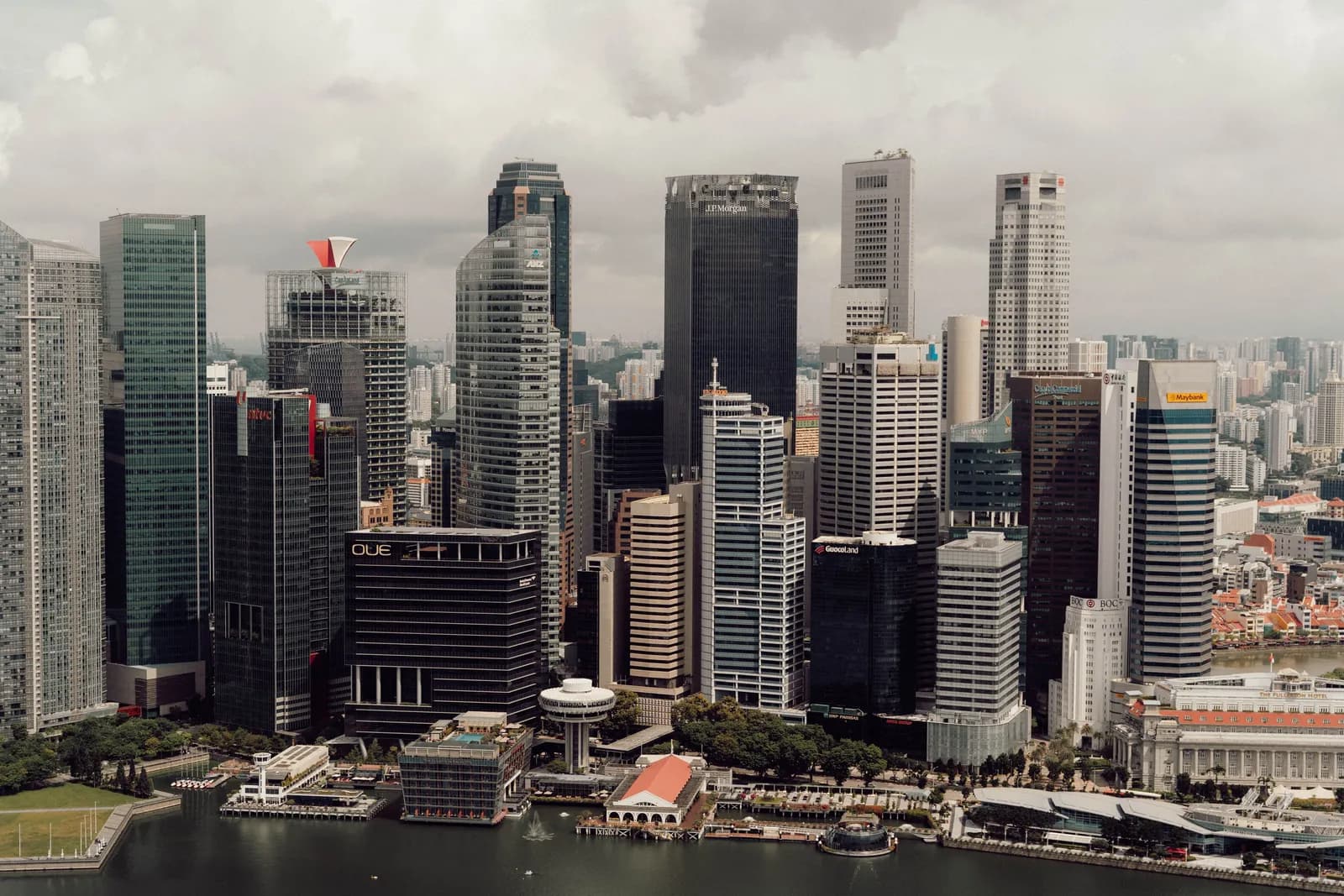
Tencent Cloud is betting that Southeast Asian enterprises want AI shrink-wrapped rather than experimental. At its Singapore showcase the firm pushed three products — WorkBuddy for office productivity, CodeBuddy for coding, and Miora for generative creative work — alongside fresh channel partners and a hackathon, casting the bundle as a route out of pilot purgatory and into production workloads.
The numbers behind the push: Tencent said in October that its overseas client roster had doubled over twelve months, and that international appetite for its AI line grew by triple digits. Dowson Tong, who heads the Cloud and Smart Industries Group, argues that AI's value shows up only once it is stitched into daily operations rather than confined to demos.
Beyond those three, the lineup includes MAGIC AI, a workspace where marketing teams size up audiences, draft campaign plans and check results, with humans still signing off on anything consequential. WAND blends Tencent's Hunyuan models, its own WAND-Vega family and a library of over 100 media-processing utilities for creating, localising and enhancing content. A third offering puts compute, model access and agent orchestration inside a customer's own private cloud — a nod to regulated buyers who will not let sensitive workloads leave their walls.
Tencent is leaning on local partners, among them Beyondsoft and Nexusguard, to handle deployment and security work, while its Singapore footprint already covers healthcare, banking and freight. Raffles Connect's video consultations, which top 10,000 a month, run on systems built with the digital health firm Care, and a hackathon staged with AI Singapore handed S$10,000 to a team whose multi-agent system settles ride-hailing disputes in seconds rather than days. For buyers, the differentiator here is packaging rather than model benchmarks: agents bolted onto existing office and coding habits, plus a private-cloud route for firms that cannot ship data offshore.
Why it matters for Singapore: The city-state's value to a hyperscaler is not the size of its own market but its role as a proving ground — real enterprises, real regulators, and a workforce that can be trained on the tools. Tencent's pairing of commercial products with AI Singapore's hackathon pipeline points to the model Singapore keeps betting on: applied talent plus foreign platform investment, converting prototypes into deployments that can then be exported across the region. If that flywheel turns, the payoff is capability, not just cloud spend booked locally.