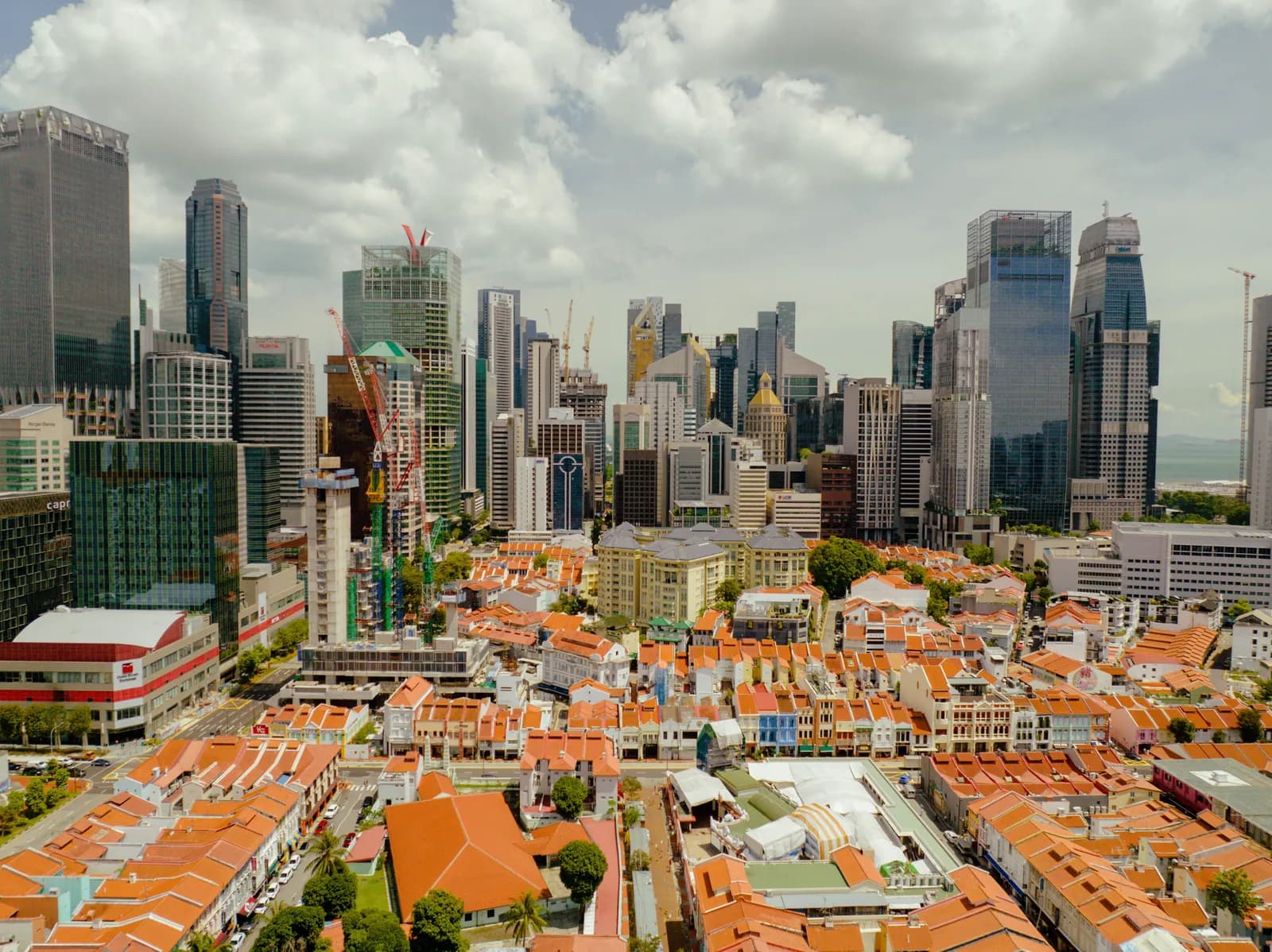
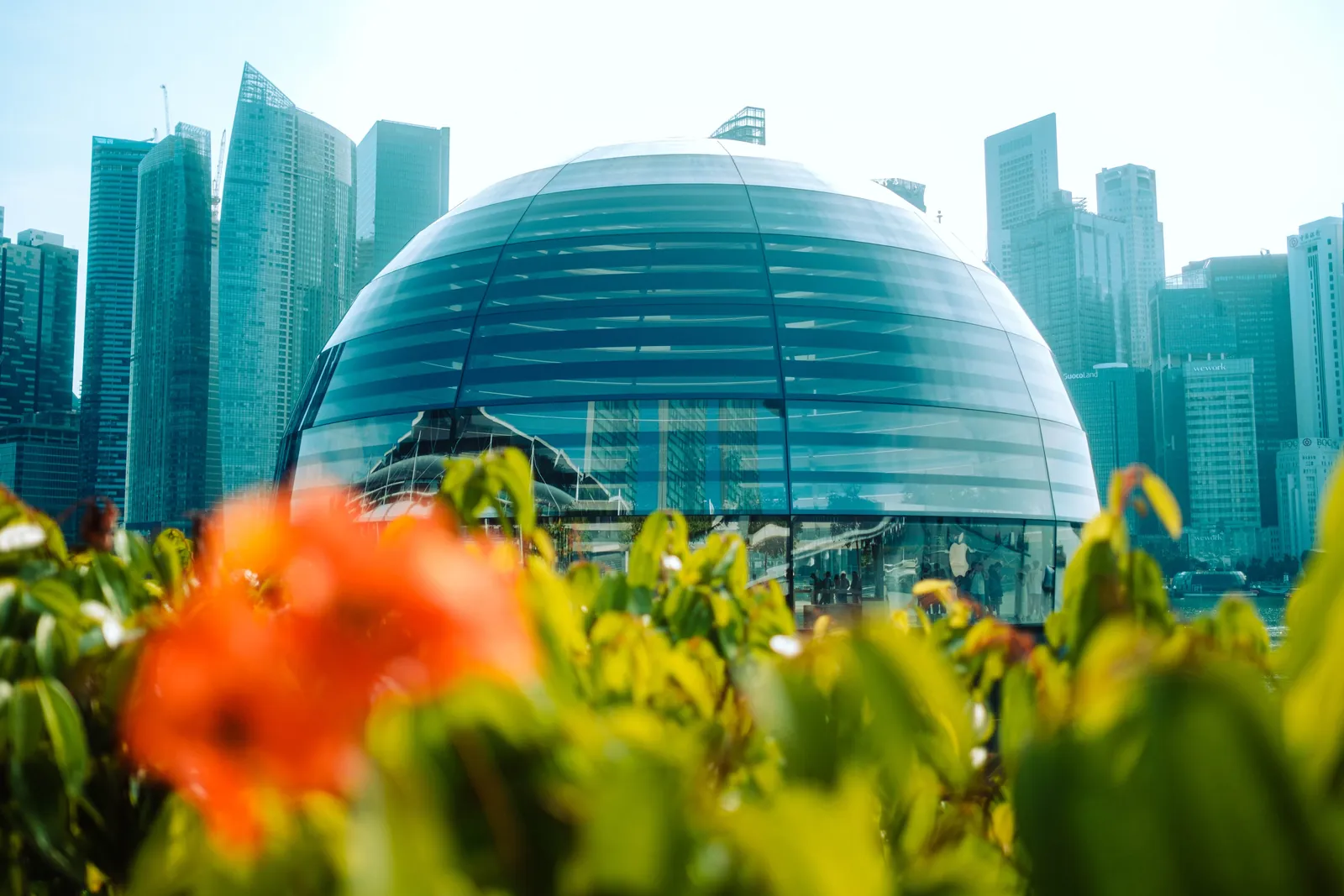
What If AI Makes Global Companies Need Less of Singapore? An NDP Thought Experiment
Source: Startup Fortune
Singapore turned 61 this National Day looking stronger on paper than it ever has: global companies keep investing, the AI buildout is driving record export and GDP numbers, and the "Go Beyond" theme of this year's celebrations is a call to keep pushing forward. But beneath the festivities, one uncomfortable...
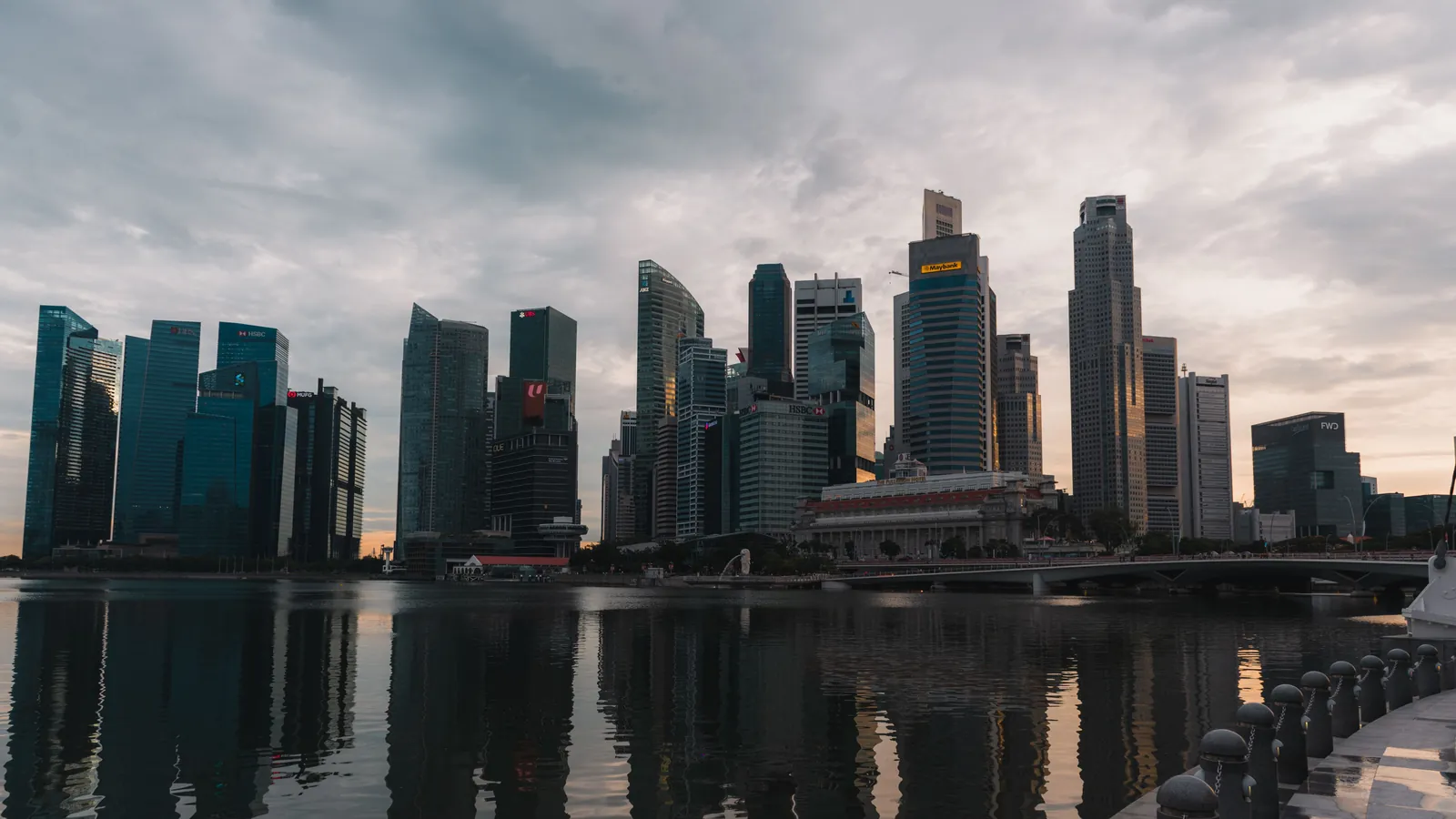
Singapore turned 61 this National Day looking stronger on paper than it ever has: global companies keep investing, the AI buildout is driving record export and GDP numbers, and the "Go Beyond" theme of this year's celebrations is a call to keep pushing forward. But beneath the festivities, one uncomfortable question is getting more attention than usual: what happens if the very technology Singapore is betting on makes global companies need less of the country than they used to?
The concern is not that multinationals will pack up and leave. The Economic Development Board pulled in S$14.2 billion in fixed-asset investment commitments and S$8.9 billion in business expenditure commitments in 2025, with 15,700 jobs expected to follow over five years. The worry is subtler: if AI lets a company run regional finance, customer service, software development and compliance with a fraction of the headcount it once needed, it may keep its Singapore office while generating far less economic value from it. Foreign affiliates already account for 57.5% of the value added by enterprises here and more than 75% of total trade — a huge share of the economy that rests on how indispensable Singapore remains.
The local data suggests the transition is still early. As of 2026, 71.5% of firms have yet to adopt AI, and only 3.8% have integrated it into core business processes. But adoption is concentrated precisely in the knowledge-economy sectors that underpin Singapore's model — 74.1% of firms in information and communications, 57.5% in professional services and 56.4% in financial and insurance services use AI. Those are the industries where productivity gains tend to come with leaner workforces, which is why the government's Economic Strategy Review has been emphasising "career bridges" and earlier retrenchment support rather than hoping disruption will pass.
The stakes go beyond headline GDP. Cost of living is the top concern for 49% of Gen Z and 59% of millennials in Singapore, according to Deloitte's latest survey, and roughly one in three of the 15,000-plus employees who used the iWorkHealth tool in 2024 reported work-related stress or burnout. If AI makes companies more productive, the open question is where those gains land — in higher salaries and shorter hours, or in higher profits and a smaller local footprint. The answer will determine whether Singapore's AI bet feels like progress to the people living through it.
Why it matters for Singapore: Singapore has spent 61 years proving a small city-state can become essential to the global economy, and its AI strategy is built on that playbook — positioning itself as the trusted hub where AI solutions are developed, tested and deployed at scale. The Economic Strategy Review's own advice is telling: Singapore "need not compete to build the biggest frontier AI model" but should make itself the place where AI is applied to real problems. If physical presence matters less in an AI-driven world, that trusted-hub status — not headcount or office square footage — is the hedge. "Go Beyond" may end up meaning something deeper than a National Day slogan: proving Singapore can stay essential in a world that needs less of it.